1998 Upper Deck Basketball: A Design-First Set for Collectors Who Care About the Card
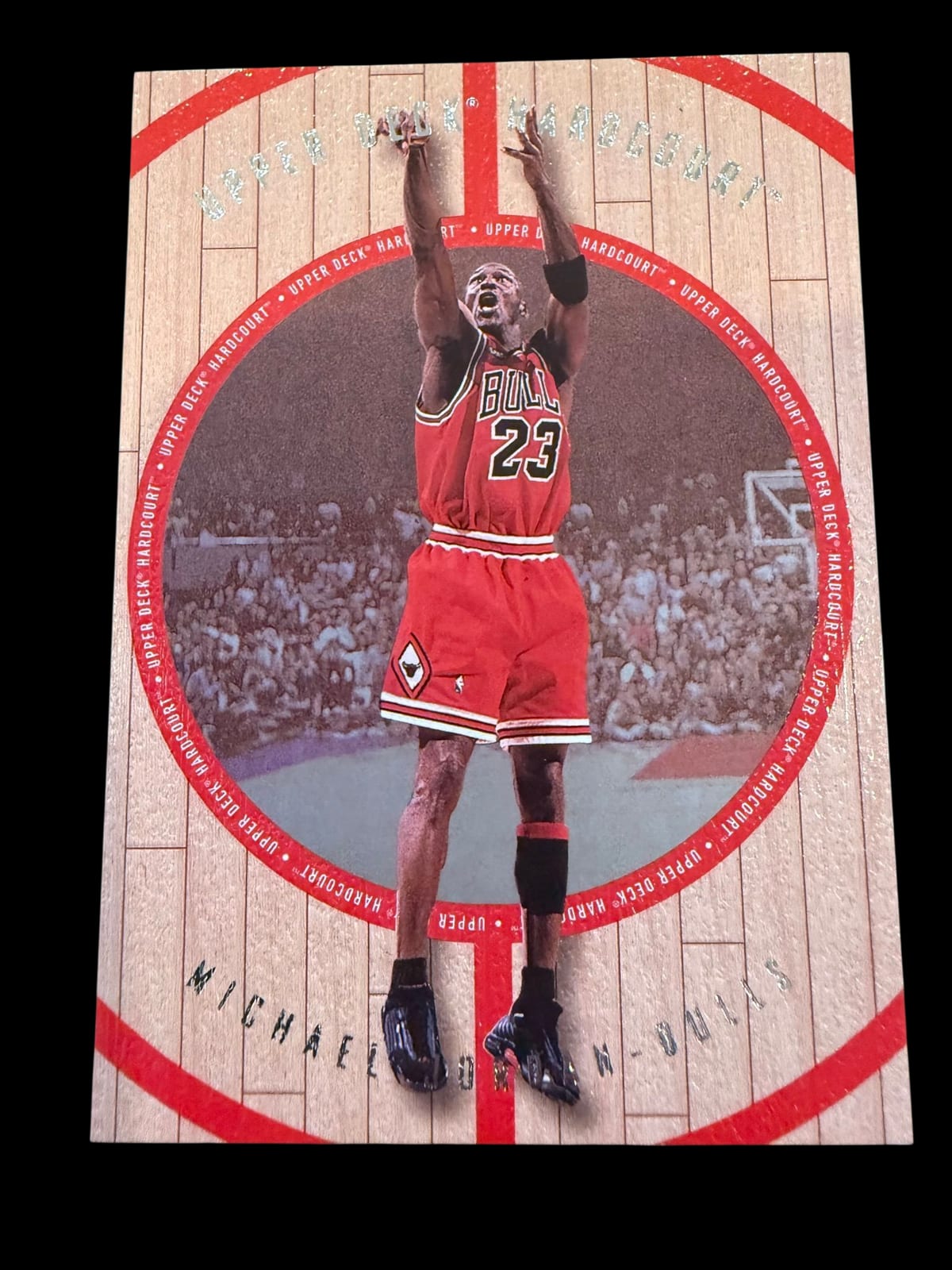
A Set That Trusted the Card Itself
Upper Deck built its name in the '90s on production value, and the 1998 basketball release leans into that identity hard. No gimmick needed to justify a pack — this is a set that bets on clean photography, sharp card stock, and a hologram-backed sense that what you're holding is legitimate. In an era when the hobby was still shaking off junk-wax habits, that mattered. It still does when you're deciding what to put in a top-loader.
Base: The Foundation, Not the Flex
The base run here is the entry point for a reason — it's the layer every set needs and the layer that's easiest to find. If you're building the checklist or just want representative cards from the 1998 Upper Deck release for a team or era collection, base is where you start and where most collectors should stop unless a specific card grabs you. It's not the chase. It's the floor the rest of the product is built on.
Parallels: Where the Set Gets Interesting
This is where 1998 Upper Deck starts to separate itself from a stack of commons. Numbered parallels turn an ordinary base card into something with actual scarcity, and in a vintage Upper Deck release like this, low-numbered versions are the difference between "I have that card" and "I have that card." If you're going to spend real money on this set, spend it here before you spend it chasing anything flashier — the parallels are the honest middle ground between base and autograph.
On-Card Autographs: The Real Grail
Any on-card autograph out of 1998 Upper Deck is the piece worth building a want-list around. Sticker-free, era-appropriate signatures from a late-'90s Upper Deck product carry a different kind of respect in this hobby than modern autos do — they're scarcer by design, not by marketing, and they age well precisely because Upper Deck's authentication reputation was earned in this exact period. If one surfaces for a player you collect, that's the card, full stop.
Bottom Line
Base builds the set. Parallels build the collection. The on-card auto is the one you actually chase — everything else here is context for that hunt.