Zion Williamson's 2023 Donruss Optic: Betting on the Body Holding Up
The Talent Was Never the Question
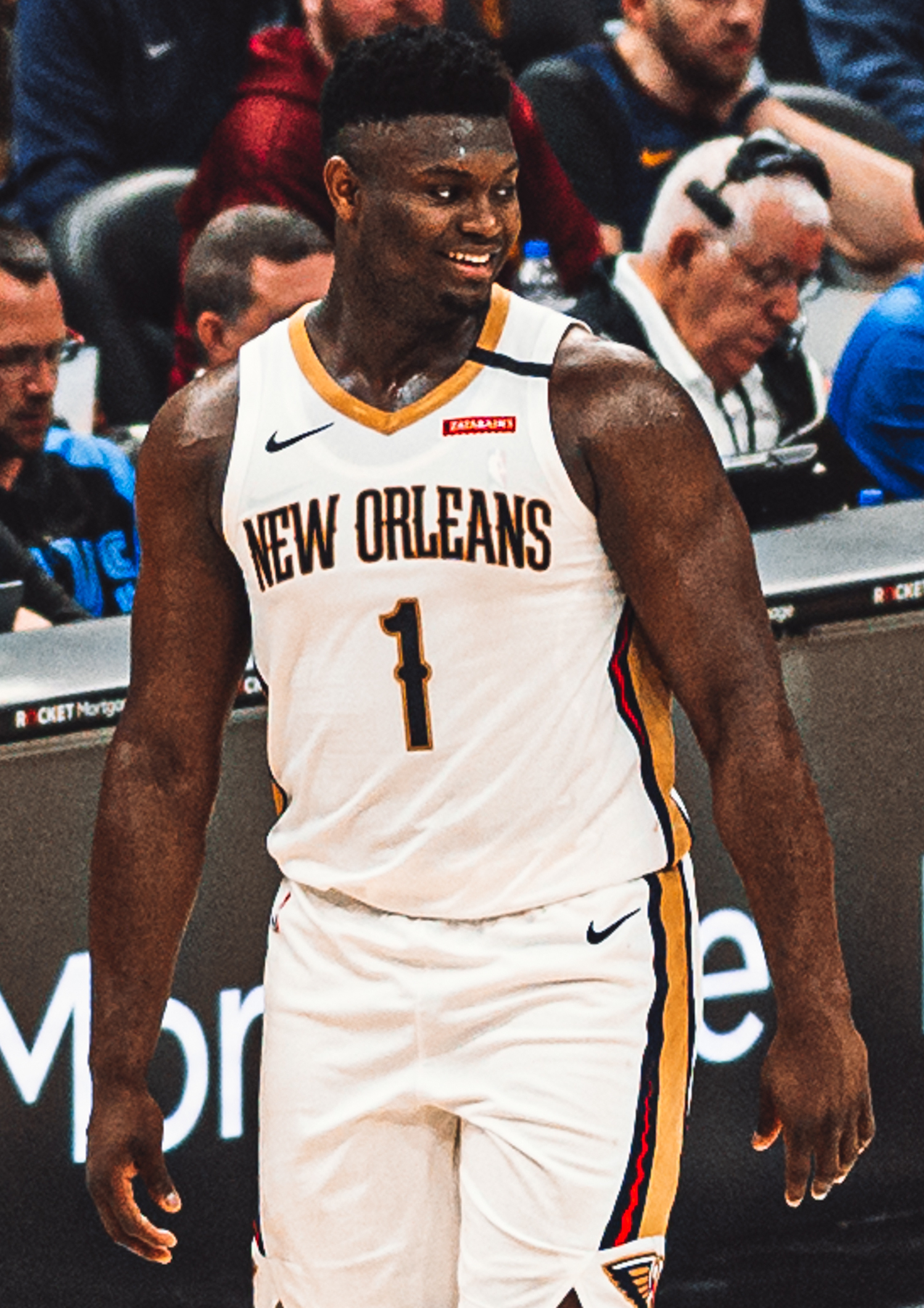
Zion Williamson didn't need three or four years to prove he belonged — the explosiveness that made him the No. 1 overall pick out of Duke in 2019 translated immediately, and he's already banked two All-Star nods for it. When he's on the floor, he's one of the most physically dominant forwards in basketball, a guy who turns highlight-reel finishes into routine plays. The catch, and every collector chasing his cards already knows this, is the "when he's on the floor" part. That tension — generational upside against a body that's fought him at times — is exactly what you're pricing in with every Zion card you buy.
Why 2023 Donruss Optic Matters Here
This isn't a rookie release, and that changes the calculus. There's no rainbow chase back to a first Optic card here — this is a veteran-year product, which means the appeal is less about "getting in on the ground floor" and more about clean, modern design tied to a player who's already established himself as an All-Star. That's actually a selling point for a certain kind of buyer: you're not paying a rookie premium, you're paying for the player he's already become.
Base and Parallels
The base Optic card is the entry point — Panini's chrome-style finish makes Zion's card pop in hand, and it's the cheapest, most liquid way to own a piece of his catalog. Where this gets interesting is the parallel run. Donruss Optic is built around color and refractor variations, and the low-numbered parallels are where scarcity actually kicks in. A Zion parallel numbered down into the teens or single digits isn't just a shinier base card — it's a genuinely hard find, and those are the copies that hold their value when the rest of the print run floods the market.
The Autograph Is the Real Target
If you're buying Zion for investment rather than nostalgia, the on-card autograph is the card to chase. Base and parallels are supply-driven — plenty will always be around. An on-card signature ties directly to a player whose ceiling, when healthy, is top-five-in-the-league good. That's the card that moves when he strings together a full, dominant season, and it's the one that separates a "nice piece for the collection" from a "hold this one."
Bottom Line
Start with base if you just want Zion in the collection — it's cheap and it's everywhere. But if you're buying with any eye toward appreciation, skip straight to a numbered parallel or, better, the on-card auto. With Zion, you're always buying the talent and betting on the health. The parallels and autos are where that bet actually pays off.